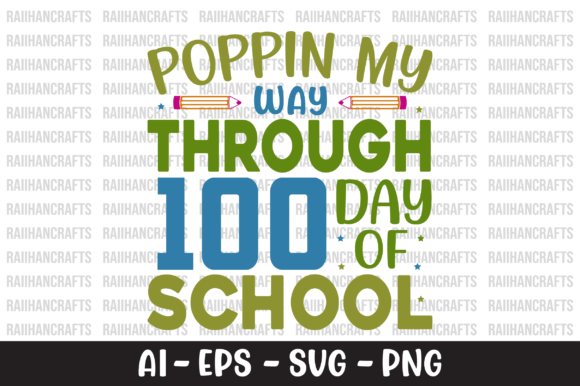
Poppin My Way Through 100 Day of School
A First Look at the Design
When I first opened the ZIP file for Poppin My Way Through 100 Day of School, I was greeted by a vibrant, cheerful design that immediately made me think of school celebrations and personalized gifts. The layout is clean, with a focus on numbers and a playful font that feels both modern and nostalgic. The theme is centered around milestones—specifically the 100th day of school—and it’s designed to be versatile enough for multiple applications.
The embroidery file includes a variety of elements such as balloons, numbers, and celebratory icons, all arranged in a way that feels dynamic and engaging. It’s clear that the creator has thought about how this design can be used across different mediums, from t-shirts to mugs. However, before jumping into a project, I always like to evaluate the design’s suitability for real-world use, especially when it comes to embroidery.
Real-Life Scenario: Custom Embroidered Tote Bag
Let’s say I’m preparing a custom embroidered tote bag for a local school event. The Poppin My Way Through 100 Day of School design would be perfect for this scenario. The layout is wide enough to fit on a tote without feeling cramped, and the elements are spaced out to allow for breathing room. This makes it ideal for larger hoop sizes, which is essential when working with bigger projects like tote bags or aprons.
I also consider how the design will look after stitching. The colors are bright and pop against most fabric backgrounds, making it visually appealing even on darker materials. However, I would recommend testing the design on scrap fabric first to ensure that the stitch density and thread colors work well together. This is especially important for machine embroidery design that may be used in commercial settings.
Design Performance in Real Projects
Poppin My Way Through 100 Day of School performs well in a range of embroidery applications, including custom apparel, sweatshirts, and tote bags. The design’s simplicity allows it to adapt to various fabric types, but there are some considerations to keep in mind.
- Small Hoop Sizes: While the design is adaptable, using it in small hoops could lead to overcrowding. It’s best suited for medium to large hoop sizes to maintain clarity and detail.
- Textured Fabrics: The design holds up well on textured fabrics, but it might lose some definition on very rough surfaces. Using proper stabilizer can help maintain stitch quality.
- Dark Fabric: On dark backgrounds, the contrast between the design and the fabric becomes more critical. Testing in black and white mockups can help identify any potential issues with visibility.
- Stretchy or Thin Fabrics: These require careful handling, especially when it comes to stitch density. A higher stitch count may cause puckering, so it’s important to adjust accordingly.
Practical Design Notes for Embroidery Professionals
As an experienced designer, I always advise checking the following before committing to a design:
- Test on Scrap Fabric: Always test your embroidery file on a piece of scrap fabric to see how it looks in real life.
- Check Thread Color Contrast: Ensure that the thread colors provide enough contrast against the intended fabric background.
- Review Stitch Density: High stitch density can affect the overall look and feel of the finished product. Adjust if necessary.
- Confirm Hoop Size: Make sure the design fits comfortably within the hoop size you plan to use.
- Inspect Small Details: Pay attention to tiny lettering and decorative accents, as these can be tricky to stitch accurately.
- Use Proper Stabilizer: Choosing the right stabilizer can make a big difference in the final outcome, especially for delicate or stretchy fabrics.
- Test in Black and White Mockups: This helps identify any issues with composition or spacing before committing to a full project.
- Compare Light and Dark Backgrounds: Some designs may look great on light fabric but struggle on darker ones.
- Confirm Licensing: If you plan to sell finished items or digital products, make sure you have the appropriate licensing rights.
Where to Use Poppin My Way Through 100 Day of School Carefully
While Poppin My Way Through 100 Day of School is versatile, it’s not suitable for every application. Here are a few scenarios where extra caution is needed:
- Curved Surfaces: Caps and hats can be challenging due to their curved shapes. The design may not lay flat unless carefully adjusted.
- Dense Stitch Areas: Sections with high stitch density may cause tension issues, especially on thin or stretchy fabrics.
- Layered Garments: When embroidering on layered items like shirts or sweaters, ensure the design doesn’t get lost beneath other layers.
- Products That Need Frequent Washing: The design should be durable enough to withstand repeated washing without fading or pilling.
Impact on Visual Appeal and Product Value
The visual appeal of Poppin My Way Through 100 Day of School is strong, thanks to its vibrant colors and thoughtful layout. It has the potential to elevate handmade products and create a sense of personalization that customers appreciate. For Etsy sellers or craft business owners, this design can serve as a valuable asset for creating unique, marketable items.
However, the success of the design also depends on how well it aligns with the brand or product line. Consistency in style and message is key to building customer trust and recognition. Whether it's a custom apparel item or a personalized gift, the design needs to reflect the quality and professionalism expected from a handmade product.
Final Thoughts
Poppin My Way Through 100 Day of School is a promising digital embroidery file that offers versatility and charm. It’s well-suited for a variety of projects, from holiday gifts to boutique merchandise. As with any design, it’s important to approach it with care, test it thoroughly, and ensure it meets the standards required for both personal and commercial use.
If you're looking for a design that adds a touch of celebration and creativity to your craft business or small shop product, this one is worth considering. Just remember to review the details, test the design, and make adjustments as needed to achieve the best possible result.